
Water pollution is the degradation of water by contaminants or human-caused changes that make it less suitable for drinking, recreation, agriculture, industry, or aquatic life. For a practical overview, the four types of water pollution are surface water pollution, groundwater pollution, point-source pollution, and nonpoint-source pollution.
These four categories are not mutually exclusive. Surface water and groundwater describe where pollution occurs. Point-source and nonpoint-source pollution describe how contaminants enter the water. A leaking industrial pipe can cause point-source surface water pollution, while fertilizer moving through soil can cause nonpoint-source groundwater pollution.
Key Takeaways
- There is no single universal four-part taxonomy for water pollution; agencies classify it by location, source pathway, and contaminant.
- The four practical types are surface water, groundwater, point-source, and nonpoint-source pollution.
- Pollutants themselves are often grouped as physical, chemical, biological, or radiological contaminants.
- Major sources include wastewater, agricultural runoff, industrial activity, urban stormwater, mining, spills, and poorly managed waste.
- Prevention works best at the source: treat wastewater, control runoff and erosion, maintain infrastructure, monitor water quality, and dispose of hazardous materials correctly.
The 4 Types of Water Pollution at a Glance
| Type | What it describes | Common sources | Main challenge |
|---|---|---|---|
| Surface water pollution | Contamination of rivers, lakes, streams, wetlands, reservoirs, estuaries, and oceans | Sewage, industrial discharges, nutrient runoff, sediment, oil, and litter | Pollution can move downstream and affect connected ecosystems and communities |
| Groundwater pollution | Contamination of water stored below ground in soil, rock, and aquifers | Septic leaks, fertilizers, pesticides, landfills, storage tanks, solvents, and mine drainage | It may be difficult to detect, trace, and remediate |
| Point-source pollution | Pollution entering through a specific, identifiable conveyance | Pipes, ditches, outfalls, channels, and certain industrial or wastewater systems | The source is identifiable, but a discharge can still spread far beyond it |
| Nonpoint-source pollution | Diffuse pollution carried from broad areas rather than one discrete outlet | Agricultural runoff, urban runoff, erosion, atmospheric deposition, and failing septic systems | Many small sources make monitoring and control more complex |
What Is Water Pollution?
In the United States, the Clean Water Act defines pollution as a human-caused alteration of the chemical, physical, biological, or radiological integrity of water. In everyday use, the term covers contamination or environmental changes that impair a water body’s intended uses or damage the organisms that depend on it.
Water quality cannot be judged by appearance alone. Clear groundwater can contain dissolved nitrate, solvents, metals, or radionuclides. Cloudy water may contain harmful sewage or simply suspended sediment. The presence of a contaminant also does not automatically establish a health risk; concentration, exposure, and the applicable water-quality standard matter.
The human consequences are substantial. WHO and UNICEF reported that 2.1 billion people lacked safely managed drinking water in 2024, including 106 million people who relied directly on untreated surface water.
The 4 Types of Water Pollution Explained
1. Surface Water Pollution
Surface water is water exposed to the atmosphere, including rivers, lakes, streams, wetlands, reservoirs, estuaries, and oceans. It can be polluted by direct discharges, stormwater, agricultural runoff, sewage overflows, spills, erosion, and waste carried by wind or water.
Because surface waters are connected, contamination can travel well beyond its original source. A pollutant released upstream may affect drinking-water intakes, fish habitat, irrigation, beaches, shellfish beds, and coastal waters downstream. Our overview of the most polluted rivers in the United States shows how industrial legacies, sewage, nutrients, and runoff can combine within the same watershed.
Nutrient pollution is a common example. Excess nitrogen and phosphorus can accelerate the growth of algae and cyanobacteria. As that growth dies and decomposes, oxygen levels may fall; some blooms also produce toxins that threaten people, animals, and aquatic life. The EPA describes nutrient pollution as one of the most widespread and difficult water-quality problems in the United States.
2. Groundwater Pollution
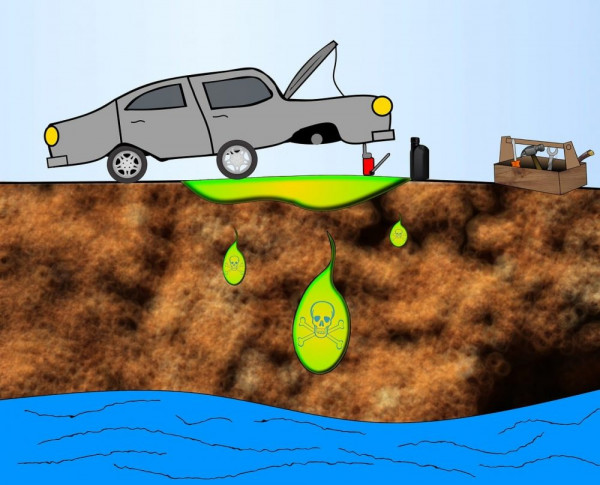
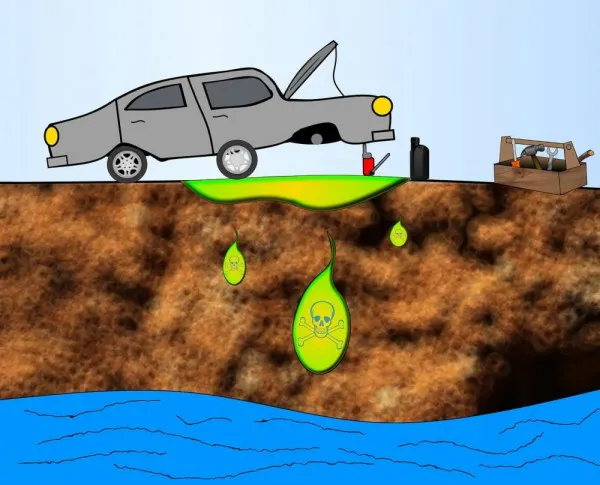
Groundwater fills pores and fractures beneath the land surface and supplies wells, springs, streams, and many public water systems. Pollutants can reach it when liquids seep through soil or move through cracks, abandoned wells, or permeable rock.
Common human-caused sources include leaking septic systems and underground storage tanks, fertilizers, pesticides, landfills, industrial solvents, road salt, and mine drainage. Groundwater may also contain naturally occurring substances such as arsenic, uranium, iron, manganese, or salts. The U.S. Geological Survey explains that clear-looking groundwater can still contain natural or human-introduced chemicals.
Groundwater contamination is often harder to find and clean up than a visible spill. Pollutants can form plumes that move slowly through an aquifer, and remediation may require long-term pumping, treatment, source removal, or monitored natural recovery.
3. Point-Source Pollution
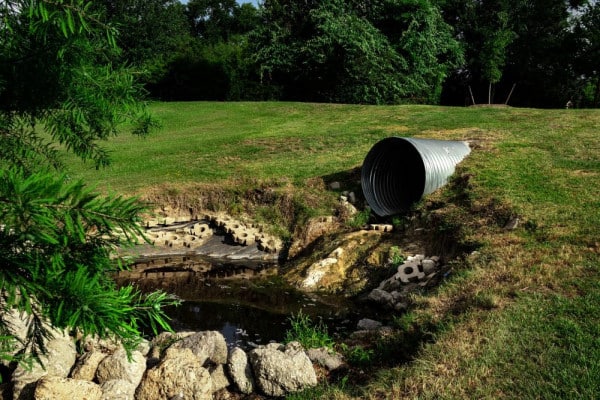
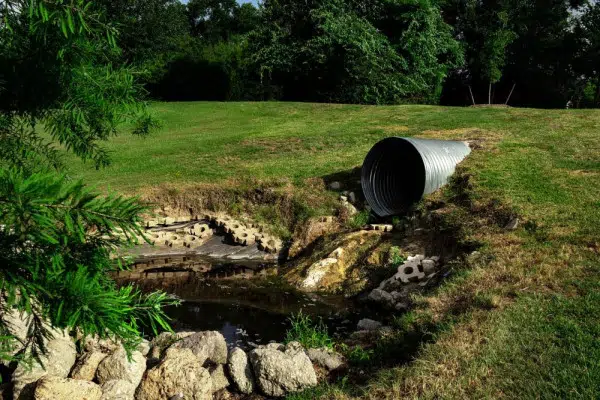
Point-source pollution comes from a specific, identifiable conveyance. Under the U.S. Clean Water Act, a point source can include a pipe, ditch, channel, tunnel, conduit, well, container, or other discrete outlet from which pollutants are discharged.
Examples include a wastewater-treatment outfall, an industrial discharge pipe, a leaking process line, or a channel carrying contaminated water from a facility. In the United States, the National Pollutant Discharge Elimination System regulates many point-source discharges through permits, limits, monitoring, and reporting requirements.
An identifiable source is usually easier to monitor than diffuse runoff, but that does not make its effects local. A single discharge can contaminate sediment, move downstream, enter groundwater, or expose people and wildlife far from the outlet.
4. Nonpoint-Source Pollution
Nonpoint-source pollution comes from diffuse areas rather than one discrete discharge point. Rainfall and snowmelt move over and through the ground, picking up pollutants and carrying them into surface water or groundwater.
Typical examples include fertilizer, manure, pesticides, oil and metals from roads, bacteria from pet waste or failing septic systems, and sediment from farms, construction sites, logging areas, or eroding shorelines. Atmospheric pollutants can also settle directly onto water or land and later wash into a watershed.
The EPA notes that nonpoint-source pollution is defined in relation to the legal meaning of a point source. The classification can depend on the pathway and regulatory context. Runoff spread across a parking lot is diffuse, for example, while a regulated storm-sewer outfall may be treated as a point source.
Four Categories of Water Contaminants
The four pollution types above describe location and source. A separate EPA framework groups drinking-water contaminants by what they are: physical, chemical, biological, or radiological. Keeping these systems separate prevents a common classification error.
| Contaminant category | Examples | Potential effects |
|---|---|---|
| Physical | Sediment, suspended organic matter, turbidity, and debris | Reduced light, clogged fish gills, buried habitat, and impaired treatment or recreation |
| Chemical | Nutrients, pesticides, solvents, oil, salts, metals, PFAS, and pharmaceuticals | Toxicity, endocrine or organ effects, eutrophication, taste and odor problems, and food-web contamination |
| Biological | Bacteria, viruses, protozoa, and parasites | Waterborne infections and recreational-water illness |
| Radiological | Uranium, radium, cesium, and other unstable elements | Ionizing-radiation exposure when concentrations and exposure are high enough |
Malaria is not a waterborne disease. It is caused by Plasmodium parasites and transmitted through the bites of infected Anopheles mosquitoes. Standing water can support mosquito breeding, but drinking polluted water does not transmit malaria, according to the World Health Organization.
Main Causes of Water Pollution
Agricultural Runoff
Farms can release nitrogen, phosphorus, pesticides, veterinary medicines, pathogens from manure, and eroded soil. The risk is highest when materials are overapplied, poorly stored, or exposed to heavy rain and snowmelt. Vegetated buffers, cover crops, precision nutrient management, protected streambanks, and proper manure storage can reduce losses.
Wastewater and Sewage
Domestic wastewater can contain pathogens, nutrients, household chemicals, pharmaceuticals, and suspended solids. Industrial wastewater varies by process and may contain metals, solvents, salts, heat, or other pollutants. Properly designed and operated treatment systems can remove or control many of these hazards, but collection gaps, overflows, failing sanitation systems, and inadequate treatment remain major problems.
A 2024 WHO and UN-Habitat assessment found that 42% of household wastewater was not safely treated before discharge in 2022. The same report cautioned that industrial wastewater data were too limited for a reliable global estimate.
Industrial and Urban Pollution
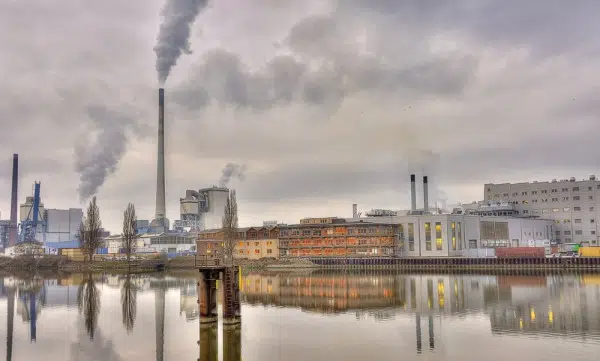
Industrial facilities, power generation, transport networks, construction, and dense urban development can affect water through permitted discharges, accidental spills, contaminated stormwater, leaking tanks, legacy waste sites, and combined sewer overflows. Roads and parking areas accumulate oil, tire particles, metals, litter, and other residues that can wash into drains and waterways.

Mining
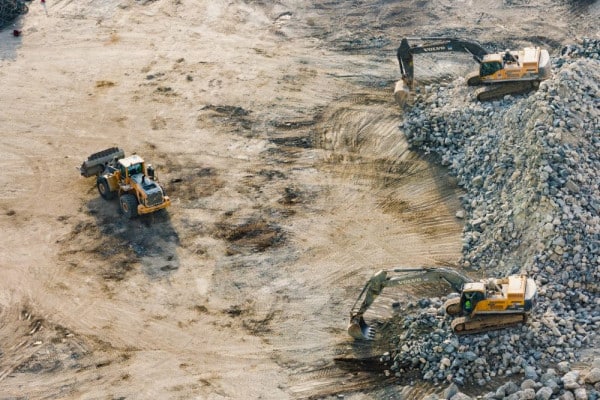
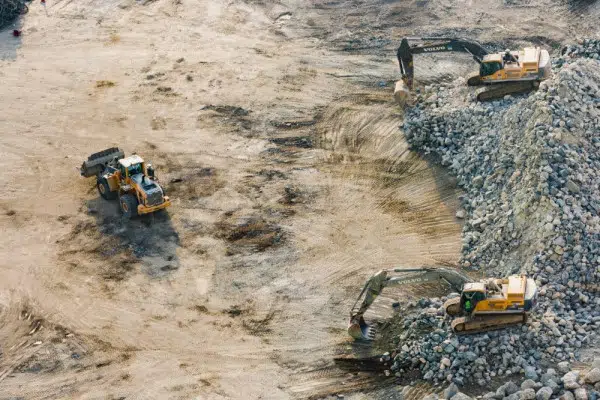
Mining can alter water quality through acid mine drainage, dissolved metals, processing chemicals, tailings leaks, and sediment runoff. Acid mine drainage forms when water and oxygen react with sulfur-bearing minerals, producing acidic, metal-rich water. The USGS notes that acidic runoff can dissolve metals such as copper, lead, and mercury and carry them into surface water or groundwater.
Solid Waste and Marine Debris
Litter, poorly managed landfills, illegal dumping, lost fishing gear, and plastic waste can enter waterways directly or through wind and runoff. Debris can entangle or be eaten by wildlife, damage habitat, transport chemicals or invasive organisms, and break into smaller particles. NOAA reports that marine debris comes from human activity, with much of it originating on land before reaching oceans and the Great Lakes.
Effects of Water Pollution
- Unsafe drinking water: Microbial contamination can transmit diarrheal disease, cholera, dysentery, typhoid, and polio. Chemicals and radionuclides create different risks depending on dose, duration, and route of exposure.
- Harmful algal blooms and oxygen loss: Excess nutrients can drive algal growth, block light, produce toxins, and reduce dissolved oxygen as organic matter decomposes.
- Habitat damage: Sediment can bury spawning beds, clog fish gills, reduce plant growth, and transport attached pollutants. Shoreline and lake erosion can intensify sediment loading.
- Toxicity and food-web contamination: Some metals and persistent chemicals accumulate in organisms and become more concentrated at higher levels of a food web.
- Loss of biodiversity: Pollution can favor tolerant species while reducing sensitive fish, amphibians, invertebrates, plants, and microorganisms that support healthy aquatic ecosystems.
- Economic and social costs: Communities may face higher treatment costs, lost fisheries and tourism, reduced recreation, damaged property, and unequal exposure to unsafe water.
How to Prevent Water Pollution
At Home and in the Community
- Use local hazardous-waste, medication take-back, recycling, and responsible waste-disposal methods instead of pouring chemicals, oil, paint, or medicines into drains or storm sewers.
- Maintain septic systems, repair vehicle leaks, pick up pet waste, and use lawn fertilizer only when testing shows it is needed.
- Keep litter out of streets and waterways, and reduce unnecessary single-use plastics.
- Report spills, illegal dumping, sewage overflows, and suspicious discharges to the appropriate local authority.
On Farms, Building Sites, and Shorelines
- Match fertilizer and manure applications to crop needs, weather, soil conditions, and setbacks from water.
- Use cover crops, contouring, riparian buffers, wetlands, and stable stream crossings to slow runoff and capture sediment.
- Protect exposed soil with phased grading, silt barriers, sediment basins, native vegetation, or locally approved erosion-control products.
- Inspect storage tanks, manure systems, tailings facilities, and chemical-handling areas before storms and throughout operation.
At the Industrial and Government Level
- Require effective wastewater treatment, enforce discharge permits, and publish monitoring data.
- Upgrade aging sewer, stormwater, and drinking-water infrastructure.
- Use spill prevention, secondary containment, leak detection, and safer chemical substitution where feasible.
- Protect source-water areas, restore wetlands and floodplains, and remediate contaminated soil, sediment, mines, and aquifers.
Drinking-water safety note: Do not rely on color, taste, or odor to determine whether water is safe. In the United States, private-well owners should follow EPA testing guidance and local health-department advice. A home filter is not a universal remedy; review test results or a utility water-quality report, then use the EPA home water-treatment guide to choose a system certified for the specific contaminant reduction you need and maintain it as directed.
Frequently Asked Questions
What are the four main types of water pollution?
A practical four-part overview includes surface water pollution, groundwater pollution, point-source pollution, and nonpoint-source pollution. The categories overlap: surface water and groundwater describe where pollution occurs, while point and nonpoint describe how pollutants enter the water.
What are the four categories of water contaminants?
The EPA groups drinking-water contaminants into four broad categories: physical, chemical, biological, and radiological. These categories describe what is in the water, not where the pollution occurs or how it entered.
What is the difference between point-source and nonpoint-source pollution?
Point-source pollution comes from a specific, identifiable conveyance such as a pipe or outfall. Nonpoint-source pollution is diffuse and is commonly carried by rain or snowmelt from farms, roads, lawns, construction sites, and other broad areas.
What are the main causes of water pollution?
Common causes include untreated or inadequately treated wastewater, agricultural runoff, industrial discharges, urban stormwater, mining, spills, erosion, and poorly managed solid waste.
Is malaria caused by polluted water?
No. Malaria is caused by Plasmodium parasites and spread by infected Anopheles mosquitoes. Standing water can support mosquito breeding, but drinking polluted water does not transmit malaria.
Can one home water filter remove every contaminant?
No. Filters are tested and certified for specific contaminant-reduction claims. Identify the contaminants through a utility report or water test, choose a properly certified treatment system for those contaminants, and maintain it according to the manufacturer’s instructions.
Bottom Line
The most useful way to understand the types of water pollution is to separate the receiving water from the pollution pathway. Surface water and groundwater tell you where contamination is found; point-source and nonpoint-source pollution tell you how it arrived. Physical, chemical, biological, and radiological categories then identify what the water contains.
That distinction matters because prevention and treatment depend on the source and contaminant. A permit can control a pipe discharge, erosion controls can reduce sediment, nutrient management can limit runoff, wastewater treatment can remove pathogens, and drinking-water treatment must be selected for the contaminants actually present. For further reading, explore these books on pollution covering water, air, plastic, and noise.